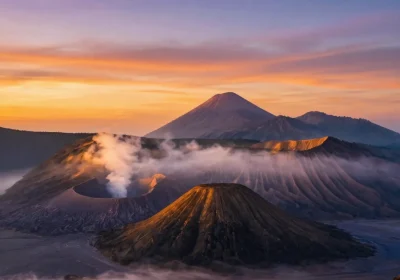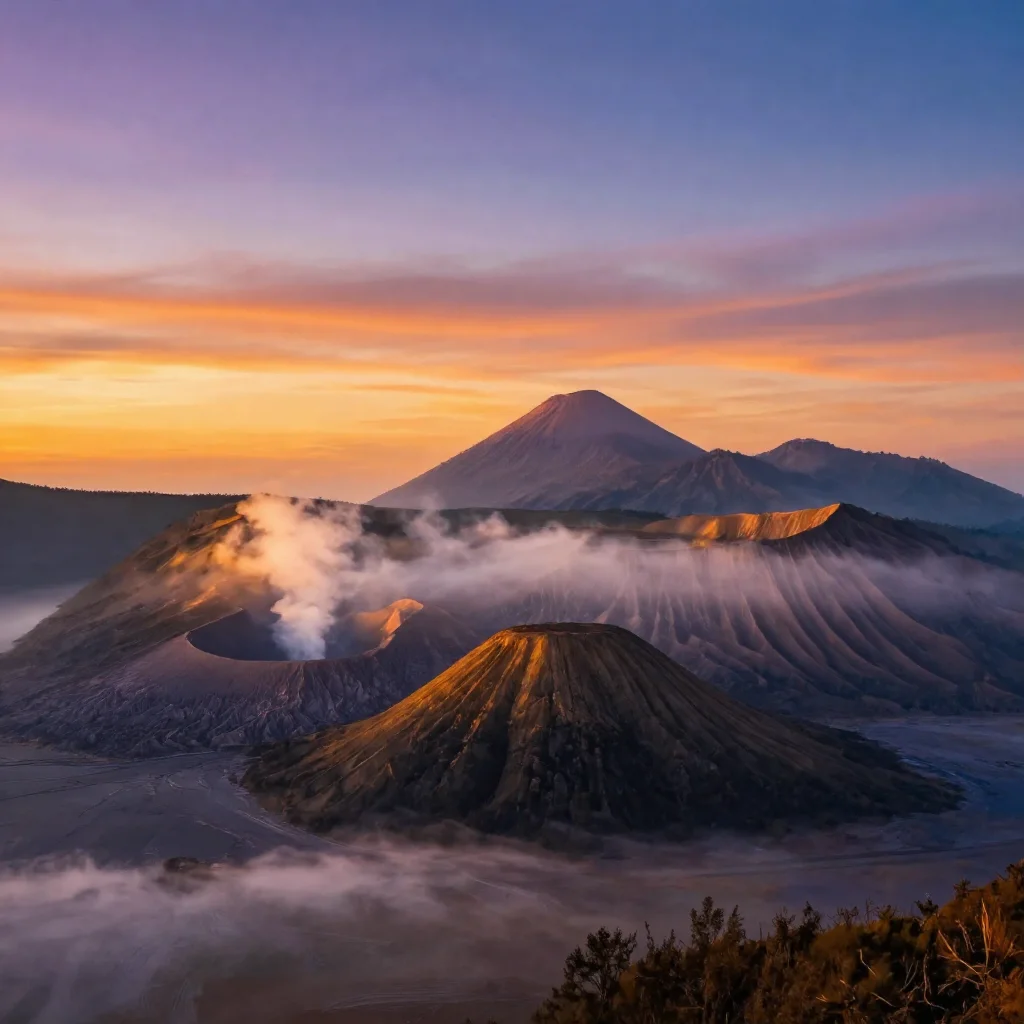
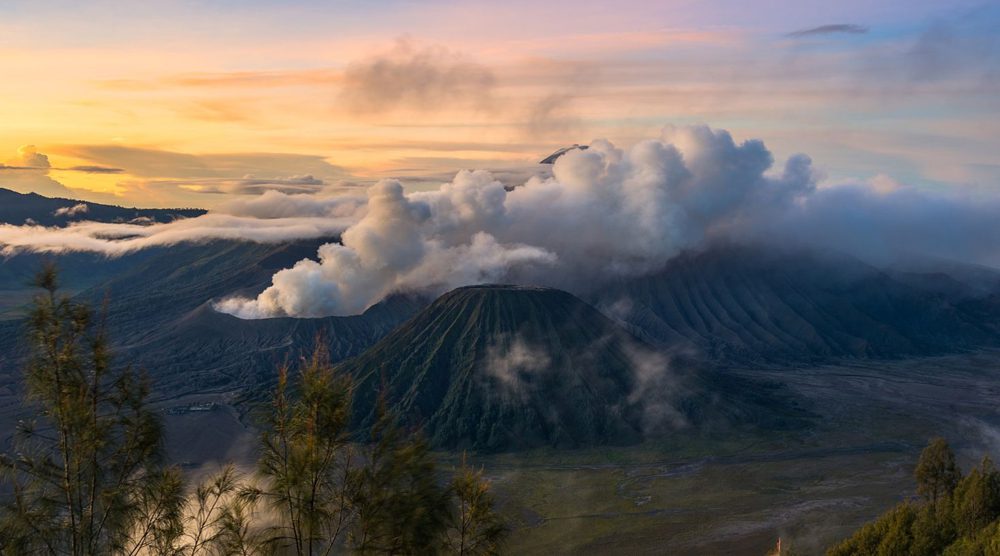
Imagine stepping out of a 4WD Jeep at 3:30 AM into a piercing, 5°C chill. Your breath forms misty plumes in the beam of your headlamp as you sip hot ginger tea from a rustic wooden shack. Around you, everything is pitched black. But within an hour, the dark curtain lifts to reveal one of the most surreal sights on planet Earth: a prehistoric, 10-kilometer-wide caldera emerging from a sea of glowing mist, with the smoldering peaks of Mount Bromo and the towering Mount Semeru puffing volcanic ash into a lavender sky.
Witnessing a Mount Bromo sunrise isn’t just an early morning excursion—it is a bucket-list pilgrimage. However, as travel surges in 2026, navigating the latest regulations, avoiding massive tourist bottle-necks, and securing the perfect viewing spot requires insider strategy.
Here is your definitive, updated 2026 guide to mastering the perfect Mount Bromo sunrise experience.
Essential Quick Facts for 2026 Planning
Before packing your bags, here are the baseline logistics you need to know for a smooth trip this year:
-
Best Time to Visit: The dry season runs from April to October. July and August offer the crispest, clearest skies but come with peak crowds.
-
The Climate: It gets surprisingly cold! Pre-dawn temperatures at the peaks fluctuate between 0°C to 5°C (32°F–41°F).
-
Mandatory Booking: You cannot buy entrance tickets on-site. All visitors must book online at least 48 hours in advance via the official national park portal (
bromotenggersemeru.id).
Battle of the Viewpoints: Where Should You Stand?
Not all Bromo viewpoints are created equal. Depending on whether you prefer solid infrastructure or a rugged, crowd-free experience, here is how the top ridges stack up in 2026:
| Viewpoint | Elevation | Pros | Cons |
| Penanjakan 1 | 2,770m | Highest panoramic view; excellent facilities (toilets, coffee shops). | Extremely crowded; you must arrive by 3:30 AM to secure a spot at the railing. |
| King Kong Hill | 2,600m | Stunning, sharp angle of the caldera; shorter walk from the Jeep drop-off. | Highly popular secondary spot; can get heavily congested. |
| Bukit Perahu | 2,550m | The 2026 Insider Secret. A secluded ridge with a fraction of the crowds. | Requires a narrow, 15-minute hike through bushy terrain in the dark. |
| Seruni Point | 2,400m | Great low-angle perspective; accessible without a 4WD Jeep if staying in Cemoro Lawang. | Involves climbing a steep, challenging concrete staircase. |
Pro Photography Tip: Most tourists pack up and leave the second the sun pops over the horizon at 5:30 AM. Don’t. The “Secondary Sunrise”—or Golden Hour—between 6:15 AM and 7:00 AM paints the volcanic ridges in a far softer, richer light that is perfect for photos.
The Perfect Sunrise Itinerary: What to Expect
If you are booking a classic midnight tour from Surabaya or Malang, or starting early from a guesthouse in Cemoro Lawang, your morning will follow this seamless sequence:
1.The Pre-Dawn Jeep Pick-Up:02:30 AM – 03:00 AM.
Packing List: Don’t Make the Rookie Mistake
The absolute biggest mistake travelers make is dressing for tropical Indonesian weather.
-
Clothing Layers: Bring a thermal base layer, a warm fleece, and a windproof outer jacket. You can shed layers as the sun heats up the valley.
-
Protection from Ash: A quality face mask (N95 or a tight buff) and sunglasses are essential. When you stand on the crater rim or walk the Sea of Sand, swirling volcanic dust and sulfur fumes can irritate your lungs and eyes.
-
Footwear: Wear sturdy sneakers or hiking shoes with good traction. Volcanic ash makes the slopes incredibly slick, acting like fine, dry sand.
Mount Bromo remains an active, breathing giant. Standing on its rim as the Javanese highlands wake up around you is an unmatched adventure. Plan ahead, book your online slot early, and get ready for a morning you’ll never forget.
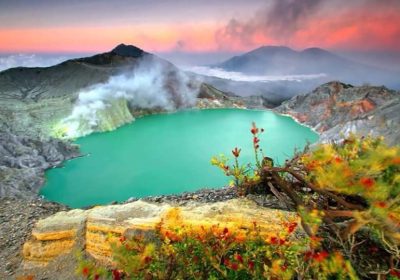
Want to know how to combine Mount Bromo with the electric blue flames of Ijen Crater? Contact Us Now !